- Tel: +86 13451474678 / 13451474678
- Email: / hbzinanmech@gmail.com

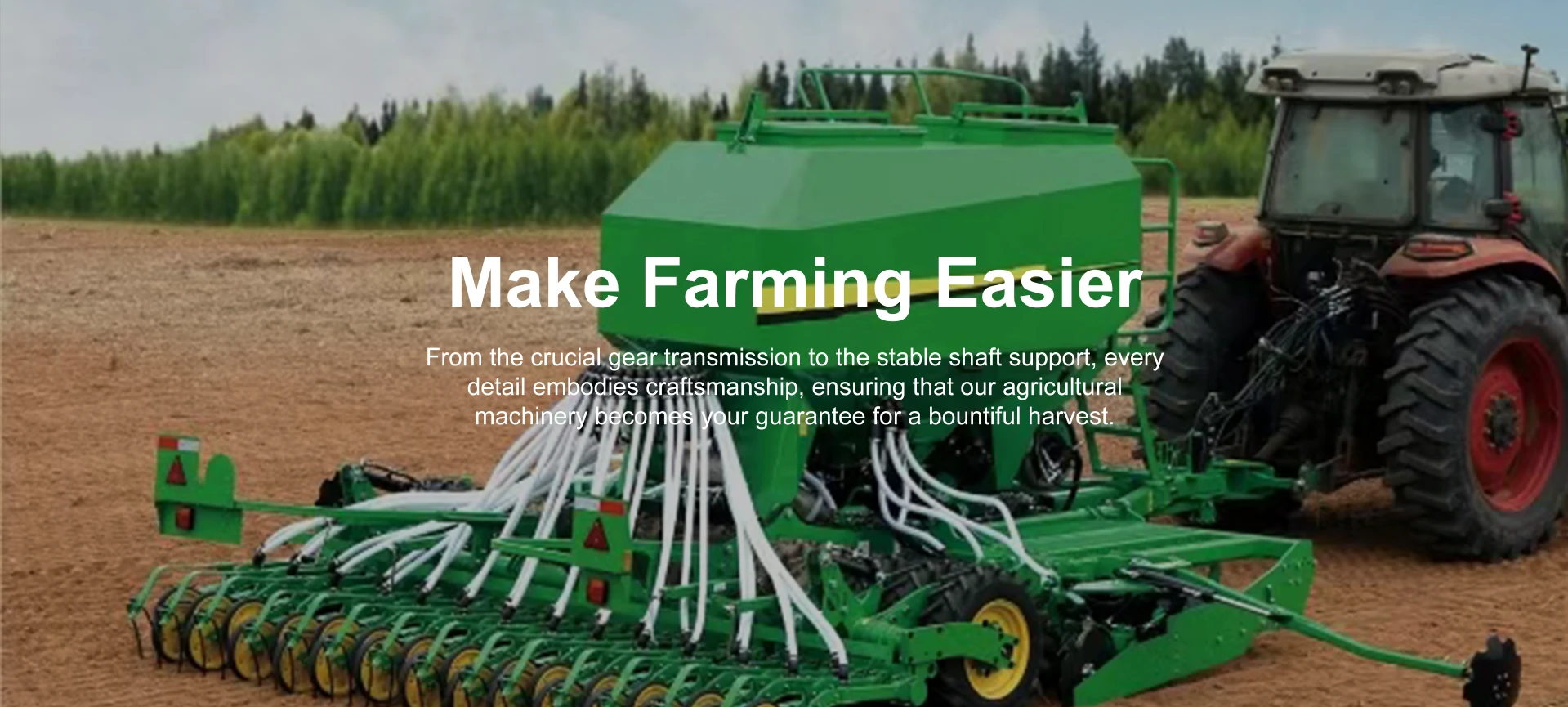
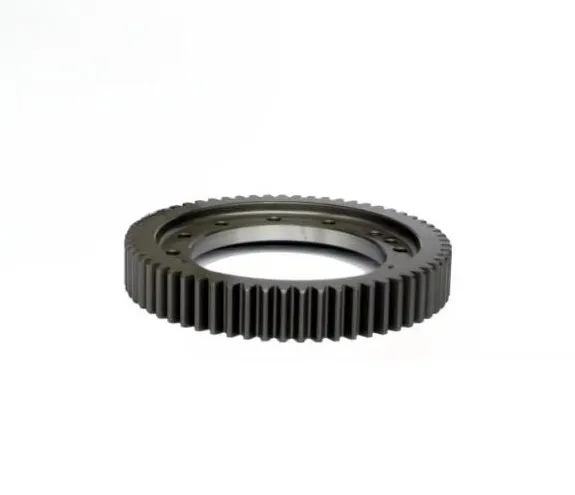
rhino rebel tiller
What is a Rotary Tiller? A rotary tiller , also known as a rotary cultivator or rotavator, is a powerful piece of equipment designed to till the soil by rotating blades or tines. These blades dig into the soil, cutting and turning it over to break up clumps, weed growth, and compacted layers. The result is loose, well-aerated soil that facilitates root growth and helps crops thrive. Rotary tillers can be used for various soil types and conditions, from light, sandy soils to heavier, clay-based earth. Advantages of Using a Rotary Tiller One of the primary advantages of using a rotary tiller is the efficiency it brings to soil preparation. Traditionally, tilling was a labor-intensive task, requiring manual effort or basic tools like spades or hoes. With a rotary tiller, you can cover a much larger area in a fraction of the time, making it a valuable time-saver for farmers and gardeners alike. The machine's rotating blades work deep into the soil, breaking up clods, turning over weeds, and mixing in organic materials such as compost or crop residues. This thorough mixing improves soil structure, moisture retention, and nutrient availability, all of which contribute to better plant growth. Additionally, by aerating the soil, a rotary tiller helps reduce compaction, which is essential for root expansion and overall plant health. Versatility for Various Applications Rotary tillers are incredibly versatile and can be used for a wide range of applications. In agriculture, they are perfect for preparing seedbeds before planting a variety of crops, such as vegetables, grains, or flowers. Their ability to break up tough soil and mix in organic matter makes them ideal for creating optimal growing conditions. In addition to field preparation, rotary tillers are excellent for managing garden spaces, removing weeds, and maintaining flower beds. Some models are even compact enough to be used in residential gardens, offering homeowners an easy way to keep their soil loose and healthy. Durability and Ease of Use Modern rotary tillers are built to last, with durable components designed to withstand tough working conditions. Whether you're working on rocky, uneven terrain or dealing with tough soil, a good-quality rotary tiller can handle the job. With adjustable settings for depth and intensity, users can customize their tilling based on the type of soil and the specific requirements of their crops. Moreover, rotary tillers are designed with ease of use in mind. Many models come with ergonomic handles and simple controls, making it easy for operators to maneuver and adjust the machine. For larger operations, there are tractor-mounted versions of the rotary tiller, allowing for efficient tilling of large fields without excessive manual labor. Cost-Effectiveness and Long-Term Benefits Though the initial investment in a rotary tiller may seem significant, its long-term benefits far outweigh the cost. The time saved during the tilling process allows farmers and gardeners to focus on other important tasks, such as planting, irrigation, and pest control. Furthermore, by improving soil structure and health, rotary tillers contribute to higher crop yields, reducing the need for expensive fertilizers and soil amendments. For small-scale gardeners, a rotary tiller can help eliminate the need for labor-intensive hand tilling, making it easier to maintain a garden over the long term. For commercial farmers, the equipment improves overall farm efficiency and boosts productivity, ultimately paying for itself over time. Conclusion In conclusion, a rotary tiller is an indispensable tool for anyone looking to optimize their soil preparation process. Whether you're a small-scale gardener or a large-scale farmer, the benefits of using a rotary tiller are clear: faster, more efficient soil cultivation, improved soil health, and higher crop yields. With its versatility, durability, and ease of use, a rotary tiller is an investment that will help you maintain healthy soil and maximize your gardening or farming potential for years to come.
-
0YEARS IN THE FIELD
-
0 KEXPERIENCED STAFFS
-
-
-
0 kACCOMPLISHED PROJECT
-
0SATISFIED CLIENTS
-
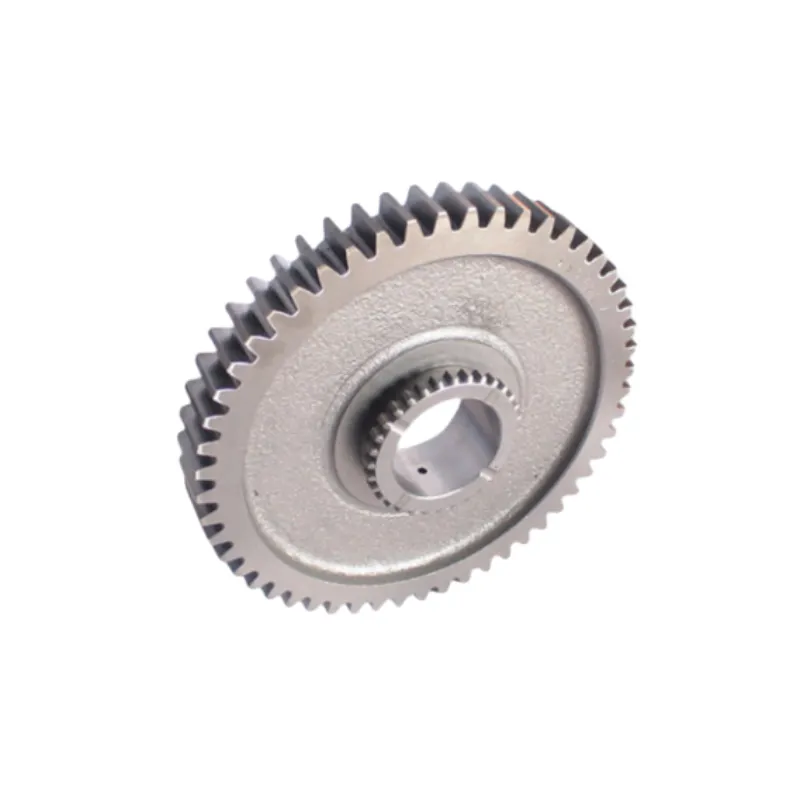
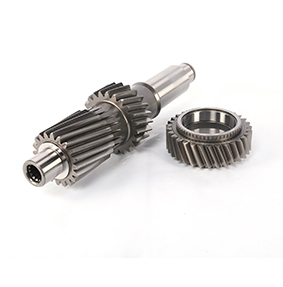
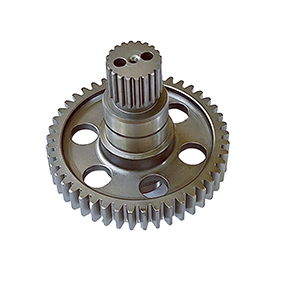
01The Application of Agricultural Machinery Gears In The IndustryAgricultural machinery gears are widely used in the agricultural machinery industry. In tractors, gears are applied to the transmission system. They can transmit the power from the engine to the wheels and achieve different speeds and torques through different gear combinations, so as to adapt to various working conditions such as plowing and transportation.
-
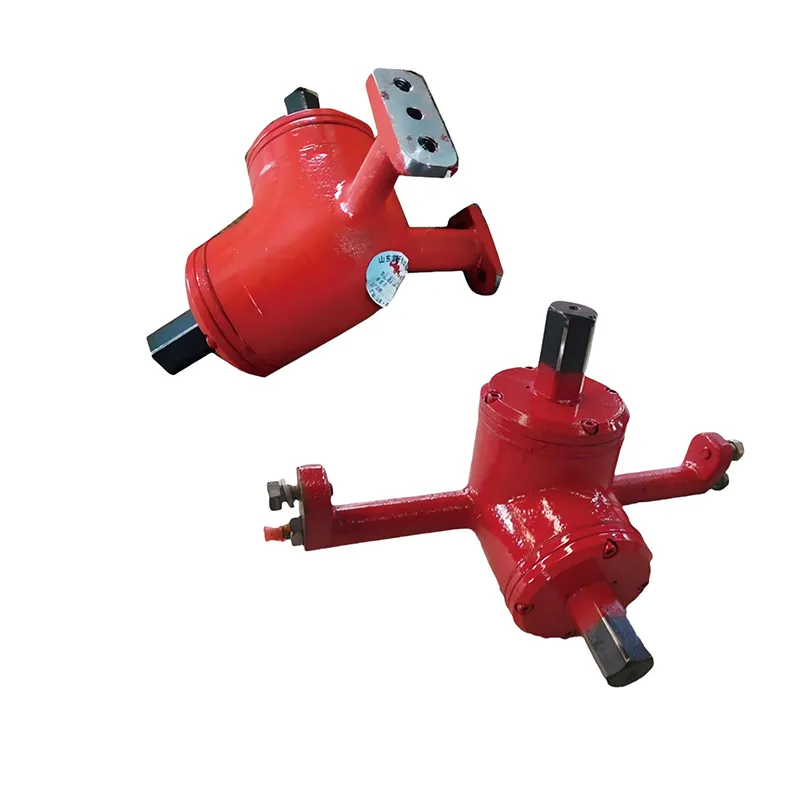
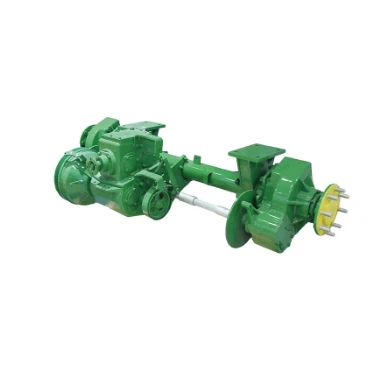
02Application of ComponentsIn agricultural machinery, the gearbox is mainly used to change the transmission ratio. Taking a tractor as an example, when the tractor needs to drive slowly in the field to cultivate the land and other operations, the gearbox can transmit the power of the engine through a lower transmission ratio, thereby outputting a larger torque to ensure that the agricultural machine has enough power to drive the agricultural implement for deep farming and other operations.
-
03Application of Agricultural MachineryField operations: Tractors are one of the most important power machines in agricultural production. In cultivated land operations, it can use powerful power to drive ploughshares to till the land by mounting ploughs to turn, break and level the soil, creating good soil conditions for sowing. For cultivator operations, it can mount cultivators to perform operations such as weeding, loosening and soil cultivation during crop growth to promote the growth of crop roots and nutrient absorption.
International layout
Spread all over the world
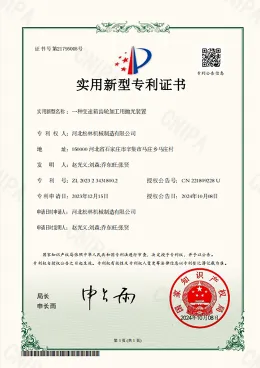
Our agricultural machinery products have won wide recognition and trust in the global market, and our sales network covers many countries and regions.


-
2026-04-04 23:09Pneumatic High Speed Seeder - Zinan Technology Co., Ltd._Air-Blown Seeding, High-Speed OperationIntroduction The Pneumatic High Speed Seeder represents a significant leap forward in agricultural m>
-
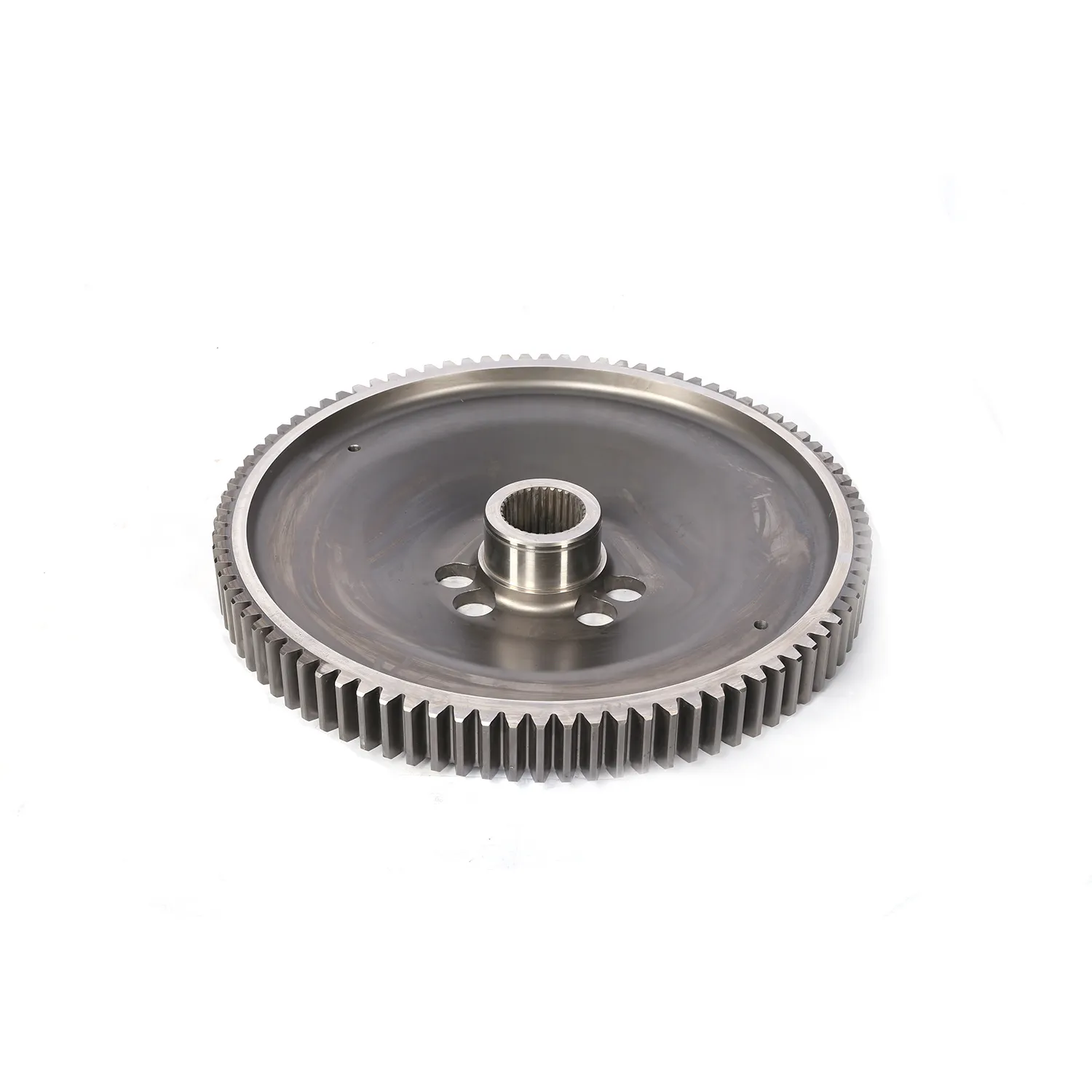
2026-04-04 22:56Precision Rack and Pinion Drives & Custom Gear Solutionsrack and pinion, planetary gearbox, custom gear is a key solution in the manufacturing industry, spe>
-
2026-04-04 22:50Precision Big Gear Wheels_ Durable Power Transmission SolutionsUnlocking Industrial Power: The Critical Role of Big Gear Wheels In heavy industries, the transmissi>

Sign up
for Newsletter
Subscribe to the weekly newsletter for all the latest updates